Most Popular Sri Lanka Dishes
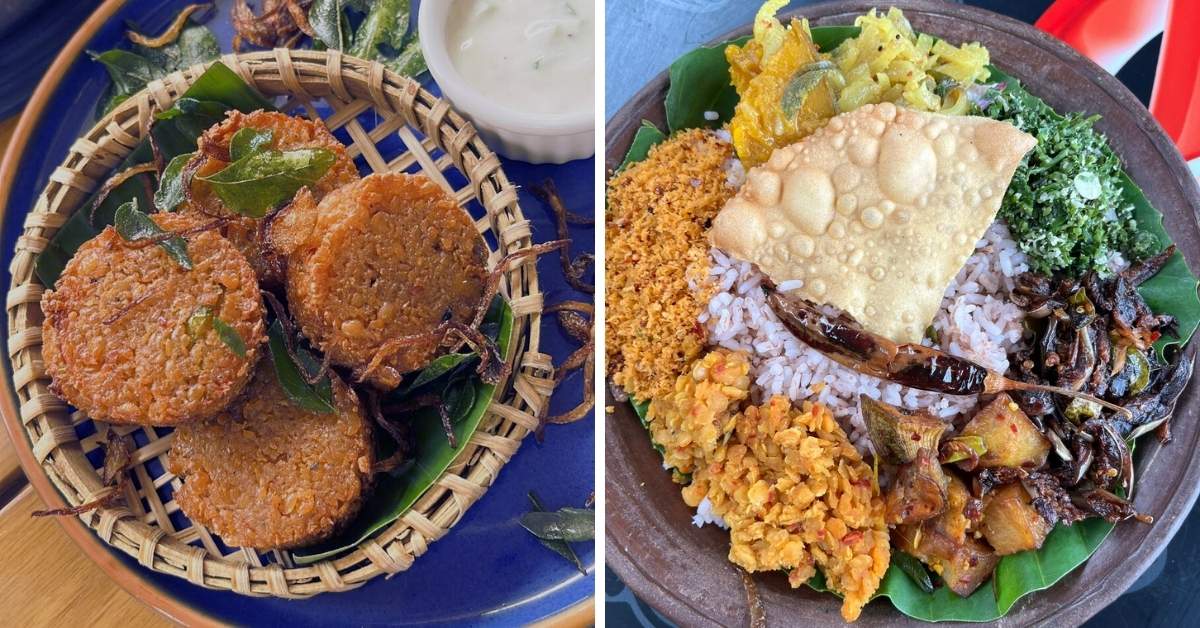
Rice and Curry (Halal if chicken, beef, or seafood)
Kottu Roti (Halal if chicken, beef, or vegetable)
Kottu roti is a must-try street food experience at Devathura Ella, renowned for its vibrant mix of ingredients. This dish combines chopped godhamba roti (flatbread), fresh vegetables, eggs, and your choice of chicken, beef, or a flavorful vegetable medley. Cooked on a hot griddle with aromatic spices, it achieves a delightful contrast of textures.
Street vendors skillfully chop the ingredients, offering a range of kottu variations from mild veggie to spicy beef. Observing the preparation method enhances your understanding of its cultural significance as a beloved comfort food, particularly at local markets. You can choose to enjoy your meal as a takeaway or on a plate by the picturesque falls. Packed with wholesome veggies and lean meats, kottu roti not only satisfies your taste buds but also provides nutritional benefits, making it an enjoyable culinary experience.
Most famous within Sri Lanka: Street food hubs in Colombo, Jaffna, Batticaloa, and Trincomalee; especially popular in late-night eateries across the country.
Hoppers (Appa) (Halal)
A hopper, or appa, is a traditional Sri Lankan bowl-shaped pancake, characterized by its crisp edges and soft, pillow-like center. When served, it invites curiosity and is best enjoyed with a fork alongside its array of toppings, such as chili paste or coconut sambol. The preparation involves a precise technique of pouring fermented batter into a hot pan, creating a delicate lace-like rim that is both visually striking and delicious.
Hoppers come in various forms, from plain to egg-filled, each showcasing unique flavors and textures. This dish is deeply rooted in Sri Lankan culture, often associated with family breakfasts and communal gatherings. You can find hoppers in local eateries and street stalls, where recipes are passed down through generations, reflecting the rich culinary heritage of Sri Lanka. Enjoying hoppers is not just a meal; it’s an experience that connects you to the heart of the island’s vibrant food culture.
Most famous within Sri Lanka: Breakfast and dinner stalls in Colombo, Galle, Negombo, and throughout the southern and western coastal towns.
String Hoppers (Indiappa) (Halal)
String hoppers, known locally as indiappa, are a staple of Sri Lankan cuisine, particularly enjoyed during breakfast. These steamed, soft nests of rice strands are not only light in texture but also gluten-free, making them a versatile choice for various dietary preferences. Typically served warm, they are paired with accompaniments like coconut sambol or spicy chicken curry, enhancing their subtle rice flavor.
Preparation involves pressing rice dough through a mold and steaming it, with regional variations resulting in differing thicknesses. Their cultural significance is profound, often featured at family gatherings and wrapped in banana leaves, symbolizing hospitality and shared meals. For travelers exploring authentic Sri Lankan culinary experiences, trying string hoppers is a must, offering a taste of tradition and community.
Most famous within Sri Lanka: Breakfast tables across the island, especially in Jaffna, Batticaloa, and rural villages in the North and East.
Pol Roti (Coconut Roti) (Halal)
Pol roti, a cherished Sri Lankan flatbread, combines grated coconut with wheat or cassava flour, resulting in a crispy exterior and tender interior. This dish is commonly found at roadside stalls, where traditional cooking methods—mixing, pressing, and pan-frying—transform simple ingredients into a satisfying meal. Halal and filling, pol roti pairs excellently with coconut sambol or dhal curry, making it a perfect choice for post-hike nourishment at locations like the picturesque waterfalls in the Knuckles Mountain Range.
Culturally significant, pol roti is often served during family gatherings and festive occasions, connecting you to the local way of life. Enjoy it warm, tearing it apart to experience a taste of Sri Lankan tradition.
| Feature | Taste | Best With |
|---|---|---|
| Texture | Crispy/Tender | Coconut sambol |
| Skill Level | Easy | Dhal curry |
| Occasion | Everyday | Tea time |
Most famous within Sri Lanka: Roadside stalls and tea shops in Kandy, Matale, and the Knuckles Mountain Range area.
Lamprais (Halal if chicken or beef)
Lamprais is a quintessential Sri Lankan dish, deeply rooted in the island’s culinary heritage. This compact rice parcel, wrapped in banana leaves, features rice, spiced meat (chicken or beef for halal options), a fragrant mixed curry, roasted sambol, and a bite of eggplant or ash plantain, all steamed to perfection. The experience is marked by a delightful steam aroma that enhances the savory and slightly tangy flavor profile.
Exploring lamprais reveals its Dutch Burgher origins intertwined with local flavors, making it a dish rich in history. Whether you visit street stalls or specialized restaurants, the preparation process is meticulous, emphasizing the importance of ingredient selection and folding techniques. Each serving feels festive and personal, reflecting the cultural significance of this meal. Try various lamprais adaptations to discover your favorite, and appreciate its role in Sri Lankan cuisine.
Most famous within Sri Lanka: Colombo (especially Dehiwala and Mount Lavinia), Negombo, and other urban areas with Dutch Burgher heritage.
Kiribath (Milk Rice) (Halal)
After savoring the rich, layered flavors of lamprais, kiribath (milk rice) presents a distinct form of comfort. This simple yet creamy dish holds significant cultural importance in Sri Lanka, often served during family celebrations. At breakfast in Devathura Ella, you can witness elders skillfully cutting kiribath into diamond shapes, a proud tradition.
The preparation is straightforward: rice is cooked in coconut milk until thickened, then pressed and cooled. It’s commonly enjoyed warm, accompanied by spicy lunu miris or a sprinkle of cinnamon-sugar. This dish feels both familiar and special, offering a comforting experience that resonates deeply with locals and visitors alike. Don’t hesitate to ask for seconds; it’s a staple that embodies Sri Lankan hospitality and warmth.
Most famous within Sri Lanka: Throughout the island, especially during Sinhala and Tamil New Year celebrations in April; home kitchens in Kandy, Galle, and Jaffna.
Biriyani (Halal if chicken, beef, or mutton)
Biriyani is a quintessential dish that encapsulates the rich culinary heritage of Sri Lanka, particularly in Devathura Ella. This comforting meal, often available in Halal options with chicken, beef, or mutton, reflects regional variations and is easily accessible in local eateries and bustling street food stalls. The preparation involves layering fragrant, saffron-scented rice with tender, spice-crusted meat, complemented by crunchy fried onions and bright green chutneys.
When exploring Devathura Ella, consider pairing your biriyani with cooling raita or a fresh salad, enhancing the dining experience. Each bite not only offers a burst of flavor but also carries cultural significance, making sharing a plate feel like partaking in a local celebration. Look for family-run establishments where roadside chefs skillfully craft this beloved dish, ensuring you savor the authentic taste of Sri Lanka.
Most famous within Sri Lanka: Colombo, Kandy, and Muslim communities in the East (Batticaloa, Trincomalee) and Puttalam.
Pittu (Halal)
Pittu, a traditional Sri Lankan dish, is a cylinder of steamed rice flour and grated coconut. It’s a beloved breakfast option or hearty snack among locals, especially in Devathura Ella, where you can witness its preparation firsthand. The process involves pressing a mixture into a mold and steaming it perfectly, filling the air with the enticing aromas of coconut and spices.
Variations of Pittu range from plain to spicy, with regional specialties incorporating jaggery or coconut sambol. Nutritionally, it provides energy from rice and healthy fats from coconut, making it a wholesome choice, while gluten-free options are available for dietary considerations. Serving Pittu with curries, coconut chutney, or a sweet drizzle enhances its appeal, while its cultural significance makes each bite a small celebration of Sri Lankan heritage. This authentic experience is a must-try for anyone looking to connect with local flavors and traditions.
Most famous within Sri Lanka: Breakfast stalls in Kandy, Nuwara Eliya, and throughout the central highlands; also popular in Jaffna.
Fish Ambul Thiyal (Sour Fish Curry) (Halal)
If you’re looking to explore authentic Sri Lankan cuisine, Fish Ambul Thiyal is a must-try. This tangy fish curry, rooted in coastal traditions, offers a vibrant balance of sour, spicy, and savory flavors. The dish features firm fish simmered in a tamarind sauce with roasted spices, a technique that preserves texture and enhances taste.
In Sri Lankan households, the preparation of Fish Ambul Thiyal often involves hands-on methods that connect family to the sea. Variations can include coconut or additional chili, depending on regional preferences. Pair it with steamed rice and fresh lime for a complete meal experience that reflects local culinary heritage.
When sourcing ingredients, opt for fresh, firm fish to ensure the best flavor and health benefits, such as lean protein and vitamin-rich spices. Overall, this dish not only tantalizes the palate but also serves as a cultural touchstone, linking generations through shared meals and traditions.
Most famous within Sri Lanka: Southern coastal areas such as Galle, Matara, and Tangalle; also along the western coast.
Pol Sambole (Coconut Sambol) (Halal)
Pol Sambole, a quintessential Sri Lankan coconut relish, is an essential companion to various local dishes. This vibrant blend of fresh shredded coconut, chili, lime, and a halal-friendly alternative to Maldive fish offers a unique taste profile that embodies the island’s culinary heritage. Rich in healthy fats, it enhances meals while providing a refreshing twist.
The sambol can be customized with ingredients like roasted curry leaves, chili flakes, or grated carrot, allowing you to adjust its texture and heat to complement rice, bread, or grilled fish beautifully.
| Feature | Why it matters |
|---|---|
| Texture | The crunchy coconut provides a satisfying contrast. |
| Flavor boost | Its tangy and spicy notes elevate any dish. |
| Versatility | Perfect for a variety of meals, from breakfast to dinner. |
Exploring local markets in Colombo or coastal towns will reveal fresh, authentic Pol Sambole, making it a must-try for anyone looking to experience the heart of Sri Lankan cuisine.
Most famous within Sri Lanka: Everywhere on the island; particularly associated with Colombo, Galle, and coastal towns.
Lunu Miris (Onion Relish) (Halal)
Lunu Miris is a vibrant onion relish that embodies the essence of Sri Lankan flavors. This zesty condiment combines bright red onions, fiery crushed chilies, fresh lime juice, a pinch of salt, and a tiny drizzle of oil, making it a versatile accompaniment for many dishes. Its crunchy texture and tangy profile enhance meals like rice, fish, and spicy curries, elevating their overall taste.
Preparation is quick and straightforward, allowing you to whip up this relish in mere minutes. Simply mix chopped onions, chilies, and lime, adjusting the heat to your preference. Traditionally served on the side, Lunu Miris invites diners to customize their experience, making it a staple in Sri Lankan cuisine that reflects the country’s culinary heritage. Whether you’re a tourist or a member of the diaspora, enjoying Lunu Miris provides a delicious connection to Sri Lankan culture.
Most famous within Sri Lanka: Throughout the island; commonly served with kiribath and hoppers in home kitchens and local eateries.
Seeni Sambole (Onion Sambol) (Halal)
Seeni Sambol, a quintessential Sri Lankan condiment, combines sweet and savory flavors, making it an excellent accompaniment for rice, roti, or curry. This onion sambol features thinly sliced onions cooked with jaggery or sugar, tamarind, and a touch of chili, resulting in a glossy, tender texture that enhances your meals. Preparing small batches at home allows you to customize the sweetness and heat to your preference.
Beyond its delightful taste, seeni sambol adds depth to dishes without heavy fats and provides natural sweetness along with antioxidants from onions. This easy and forgiving recipe is perfect for sharing, making it a great way to introduce curious friends to Sri Lankan cuisine. For those exploring the local culinary scene, this sambol is a must-try that showcases the rich flavors and traditions of Sri Lanka.
Most famous within Sri Lanka: Throughout the island; especially popular in Colombo, Kandy, and Galle, often served with bread or roti.
Watalappam (Halal)
Watalappam is a cherished Sri Lankan dessert, renowned for its creamy coconut custard texture and aromatic blend of spices like cardamom and jaggery. Often enjoyed during celebrations, this treat is typically served warm after savory meals, making it a staple in local households.
For those looking to recreate this dish, a straightforward watalappam recipe is accessible, even for beginners. Variations exist across regions, with some incorporating cashews or pandan leaves to enhance flavor.
As you explore Sri Lanka, consider visiting local markets or family-run eateries where you can sample authentic watalappam. This will not only provide a delightful culinary experience but also help you connect with the rich cultural heritage of Sri Lanka.
Most famous within Sri Lanka: Muslim communities in Colombo, Kandy, and the East Coast; especially during Ramadan and Eid celebrations.
Curd and Treacle (Halal)
Tasting curd and treacle in Sri Lanka is a delightful experience that showcases the simplicity and richness of local flavors. This dish combines tangy homemade curd, similar to thick yogurt made from fresh milk, with the glossy sweetness of kithul or coconut treacle, resulting in a wholesome dessert. Locals often drizzle treacle over fruits or rice, demonstrating its versatility in traditional cuisine.
After a refreshing hike to Devathura Ella, enjoying curd and treacle by the falls provides a perfect way to reconnect with nature and culture. This comforting treat is halal and easy to find, making it an ideal option for travelers seeking authentic Sri Lankan flavors. Whether you’re a visitor or part of the diaspora, indulging in this simple dish will enhance your appreciation of Sri Lankan culinary traditions and make for a memorable experience.
Most famous within Sri Lanka: Kandy, Nuwara Eliya, and the central highlands; also popular in roadside stalls in the Knuckles Range area.
Must Try Desserts & Sweets in Sri Lanka
After exploring the natural beauty of Devathura Ella, indulge in Sri Lanka’s delightful desserts that promise a mix of flavors and textures. Prepare for a sweet adventure!
Cream Caramel (Halal)
Cream Caramel, a beloved dessert in Sri Lanka, stands out with its unique charm, particularly in halal variations that respect dietary guidelines without compromising flavor. This dish features a silky, wobbling custard layer topped with a glossy amber caramel, often crafted with local ingredients such as coconut milk or condensed milk, infusing it with a distinct tropical flair.
When enjoying Cream Caramel near attractions like Devathura Ella Falls, you’ll discover diverse interpretations that vary in texture, sweetness, and aroma. Typically served in small glass dishes, this dessert makes for a refreshing treat after a hike, being both easy to share and elegantly simple. Many family cafes pride themselves on preparing it fresh daily, offering visitors a genuine taste of Sri Lankan hospitality.
Most famous within Sri Lanka: Colombo, Negombo, and urban bakeries; also popular in Kandy and Galle.
Chocolate Biscuit Pudding (Halal)
Chocolate Biscuit Pudding is a beloved no-bake dessert found in many Sri Lankan homes. This dish features layers of tea biscuits soaked in milk or coffee, complemented by a rich custard or whipped cream that creates a delightful contrast between crunchy edges and a smooth chocolate center.
Often customized by local cooks using cocoa, melted chocolate, or chocolate syrup, this pudding can also be adapted with nuts, fruits, or spices to enhance its flavor profile. Each family adds their unique twist, making it a cherished recipe across the island. Ideal for sharing, this treat is a perfect way to experience the warmth of Sri Lankan hospitality.
Most famous within Sri Lanka: Home kitchens across the island; especially popular in Colombo and among the Burgher community.
Kavum (Halal)
Kavum is a cherished Sri Lankan delicacy, renowned for its inviting aroma of warm coconut and jaggery that fills kitchens, especially during festive seasons. The preparation involves mixing rice flour with treacle, then frying spoonfuls to achieve the perfect golden, puffy shape. Traditionally linked to New Year rituals, Kavum is not just a treat but a symbol of family gatherings, evoking nostalgia and joy.
During celebrations, Kavum varieties—from plain to nut-filled—are shared among family and friends, enhancing communal bonds. Festivals are particularly vibrant, with plates of Kavum passed around, as children eagerly await their warm pieces. Engaging with this culinary tradition offers a deeper understanding of Sri Lankan culture, making it a must-try for visitors and those reconnecting with their heritage.
Most famous within Sri Lanka: Throughout the island during Sinhala and Tamil New Year; especially in Kandy, Galle, and Matara.
Kokis (Halal)
Kokis is a beloved Sri Lankan snack, celebrated for its unique texture and cultural significance. Crafted from a rice-and-coconut batter, it is pressed into intricate patterns and fried, resulting in light, crispy crisps that embody the essence of local festivities. The preparation involves a rhythmic process of whisking the batter to achieve the perfect consistency, heating the oil, and skillfully dipping the mold, often passed down through generations during family gatherings.
Traditionally enjoyed during festivals, Kokis variations may include coconut milk, jaggery, or cardamom, enhancing its flavor profile. Serving is typically straightforward: stacked and dusted, it becomes a centerpiece for sharing and laughter among family and friends. To fully appreciate Kokis, consider exploring local markets or participating in cooking demonstrations, where you can witness the art of preparation firsthand and connect with the community.
Most famous within Sri Lanka: During New Year festivals across the island; particularly in Kandy, Nuwara Eliya, and the western coastal belt.
Aasmi (Halal)
When exploring Sri Lankan sweets, Aasmi is a must-try delicacy that embodies the rich culinary heritage of the island. This unique treat, characterized by its delicate lace-like pattern, is made primarily from rice flour and coconut milk and is often deep-fried and infused with syrup. Traditionally served at weddings and festivals, Aasmi showcases various colorful variations, often enhanced with saffron or food coloring, reflecting its cultural significance.
You can engage with local families to learn about Aasmi’s history and preparation methods, which typically involve using jaggery and coconut—a hallmark of Sri Lankan cuisine. Enjoy Aasmi warm or at room temperature, and consider pairing it with a cup of Ceylon tea for a delightful afternoon snack. This sweet treat is cherished across Sri Lanka, symbolizing the island’s festive spirit and community bonds.
Most famous within Sri Lanka: Western and southern coastal areas, especially in Galle, Matara, and Colombo during weddings and festivals.
Aluwa (Halal)
Aluwa, a traditional Sri Lankan sweet, embodies the rich cultural tapestry of family gatherings and temple festivals. Its preparation is rooted in local customs, with variations in shape and color reflecting regional influences. Typically made from rice flour, treacle, and coconut, Aluwa is a fun, albeit sticky treat to prepare.
You can explore various Aluwa types, including plain, jaggery, or spiced versions, each offering distinct flavors and energy-dense nutrition. Enjoying small portions is advisable due to its richness. Aluwa is often served on banana leaves, promoting communal sharing, which deepens connections among friends and family. For an authentic experience, don’t hesitate to ask locals for their cherished family recipes.
Most famous within Sri Lanka: Kandy, Nuwara Eliya, and Buddhist temple festivals across the central highlands.
Eclairs (Halal)
In Sri Lanka, halal eclairs have found their place on dessert tables, particularly around the picturesque area of Devathura Ella. These delightful treats feature golden choux pastry filled with silky custard infused with local flavors such as coconut milk and palm jaggery, offering a unique twist on the classic French dessert. Ideal for a post-waterfall snack, they are light and not overly sweet, making them a perfect indulgence.
The eclairs are topped with a rich chocolate glaze made from halal-certified ingredients, and often include fresh fruit accents like mango or passionfruit for added brightness. Conveniently wrapped for on-the-go enjoyment, they are excellent companions for picnics at nearby waterfalls. Savoring one warm enhances the experience—this is a must-try when exploring the local dessert scene.
Most famous within Sri Lanka: Urban bakeries in Colombo, Kandy, and Nuwara Eliya; also increasingly popular near tourist areas like Ella and Knuckles.
Cream Buns (Halal)
If you appreciate the delicate, custardy delight of halal eclairs, cream buns are a must-try during your visit to Sri Lanka. These pillowy rolls, often found in local bakeries near Devathura Ella, are filled with sweet cream and dusted with sugar, offering a delightful snack perfect for travelers. With flavors like vanilla, chocolate, and mango, each bite presents a unique experience that enhances your culinary journey.
For those who enjoy baking, exploring simple cream bun recipes allows you to recreate these treats at home, tailoring fillings to your preferences. Whether you savor one warm from the bakery or enjoy a homemade version, cream buns deliver a moment of joy, reflecting the rich flavors of Sri Lankan cuisine. Embrace this local delicacy and enrich your travels with a taste of authentic Sri Lankan sweetness.
Most famous within Sri Lanka: Local bakeries in Colombo, Kandy, Nuwara Eliya, and Bandarawela; especially popular in tea estate areas.
Beverages
When in Devathura Ella, indulge in local beverages that reflect Sri Lanka’s vibrant culture and flavors, making your visit even more memorable.
Ceylon Tea (Halal)
Ceylon tea, cultivated in Sri Lanka’s cool, misty hills, boasts a vibrant flavor that tea enthusiasts will immediately recognize. Many local producers offer halal-certified options, allowing you to enjoy this exquisite beverage while adhering to dietary beliefs. Exploring tea plantations provides insights into Ceylon’s rich tea history, with opportunities to taste various blends and hear firsthand accounts from skilled pickers.
As you wander through sunlit terraces, the gentle hum of tea factories and the rustling of leaves under careful hands create an immersive experience. Small shops offer labeled halal blends, ensuring that your choices align with your values. The preparation of Ceylon tea is straightforward, enabling you to replicate its distinct taste at home. Engaging in tea tastings and tours fosters a warm, social atmosphere that is integral to Sri Lanka’s tea culture. Each sip not only refreshes but also connects you to the vibrant heritage of this treasured island.
Most famous within Sri Lanka: Nuwara Eliya, Kandy, Ella, and the central highlands tea estates.
King Coconut (Thambili) (Halal)
The king coconut, known locally as thambili, stands out with its vibrant orange hue and offers a refreshing alternative to sugary beverages. Found at local markets throughout Sri Lanka, vendors often serve this natural hydration source directly from the coconut, making it a convenient and halal choice for health-conscious travelers.
Rich in electrolytes and nutrients, thambili is perfect for replenishing your body after outdoor activities like hiking to Devathura Ella Falls. For a refreshing twist, consider simple recipes such as chilled thambili with lime or blended with local fruits.
- Bright orange
- Cool cup
- Fresh sip
- Market stall
- Ice clink
- Sweet taste
- Natural electrolytes
- Light laugh
- Pure rejuvenation
This beverage not only revitalizes but also connects you to the island’s culture and natural bounty, making it a must-try during your visit.
Most famous within Sri Lanka: Roadside stalls across the island, especially in Colombo, Negombo, Galle, and along the southern coastal highway.
Faluda (Halal)
Faluda is a vibrant and refreshing dessert drink that’s a must-try while exploring Sri Lanka, especially for those seeking halal options. This delightful concoction is typically made from rose syrup, vermicelli, basil seeds, milk, and ice cream, each ingredient contributing to its unique texture and flavor. Vendors across the island, particularly near popular spots like Devathura Ella Falls, prepare faluda with care, often showcasing the preparation process, making it an engaging experience for visitors.
The drink is served in tall glasses, perfect for sharing, and can be customized with various flavors, including mango or chocolate. For those mindful of their sugar intake, consider asking about local health-conscious variations. Engaging with local vendors not only enhances your culinary journey but also provides insight into the rich cultural tapestry of Sri Lanka.
Most famous within Sri Lanka: Colombo, Kandy, and Muslim eateries in the East; also popular near tourist spots like Ella and Nuwara Eliya.